

 Back
Investing in Technology: The Future of Finance
Introduction
The technology sector remains one of the most dynamic and attractive for investors. In 2025-2026, we are witnessing a new wave of innovations driven by artificial intelligence (AI). It not only creates new products but also fundamentally changes entire industries, from cloud computing to cybersecurity. In this article, we will explore key technology trends, identify the most promising sectors and companies, and provide recommendations for forming an investment portfolio. Key technology trends of 2026.
1. Artificial Intelligence (AI)
Artificial intelligence has ceased to be a futuristic concept and has become a fundamental factor of production. According to ARK Invest forecasts, by 2030, up to 25% of all online purchases (worth over $8 trillion) will be made through smart AI agents [1]. This creates huge opportunities for companies working on both AI infrastructure and applications.
2. Cloud Computing
The explosive growth of AI has caused unprecedented demand for computing power, which in turn stimulates the largest investment cycle in IT infrastructure in decades. Giants like Amazon (AWS), Microsoft (Azure), and Google (Cloud) are actively expanding their data centers, investing tens of billions of dollars.
3. Cybersecurity
With the growth of digitization and the complexity of technologies, cyber threats are also increasing. AI not only helps protect data but also creates new vectors for attacks. This makes the cybersecurity sector critically important and attractive for investments. Promising sectors and companies.
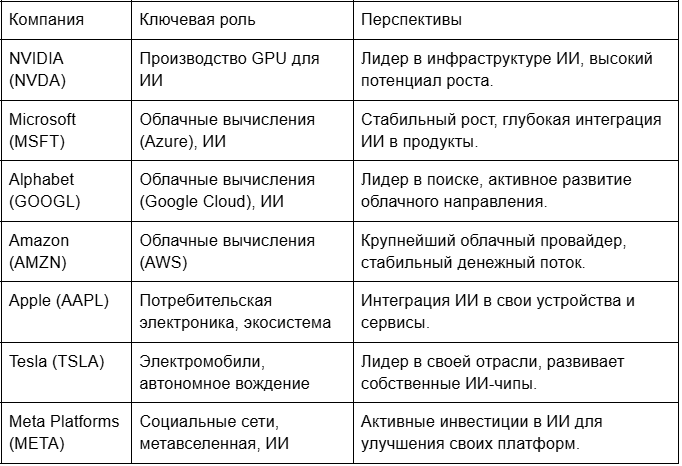
"Magnificent Seven"
This group of tech giants continues to dominate the market, being the main driver of growth. Each of these companies plays a key role in new technological trends.
Other Promising Directions
• Semiconductors: Companies producing chips (AMD, Broadcom) benefit from the growing demand for computing power.
• Cybersecurity: Companies like Fortinet show stable growth amid increasing cyber threats.
• Robotics and biotechnology: Long-term trends that also actively utilize AI advancements.
Investment Strategies
For Beginner Investors
The simplest way to invest in the technology sector is by purchasing an ETF in a technology index, such as QQQ, which tracks the NASDAQ-100 index. This provides instant diversification and reduces risks associated with choosing individual stocks. For Experienced Investors
Experienced investors can form a portfolio of individual company stocks. It is recommended to diversify investments by including both market leaders (e.g., 2-3 companies from the "Magnificent Seven") and promising companies from other sectors, such as cybersecurity or semiconductors.
Example of a balanced portfolio:
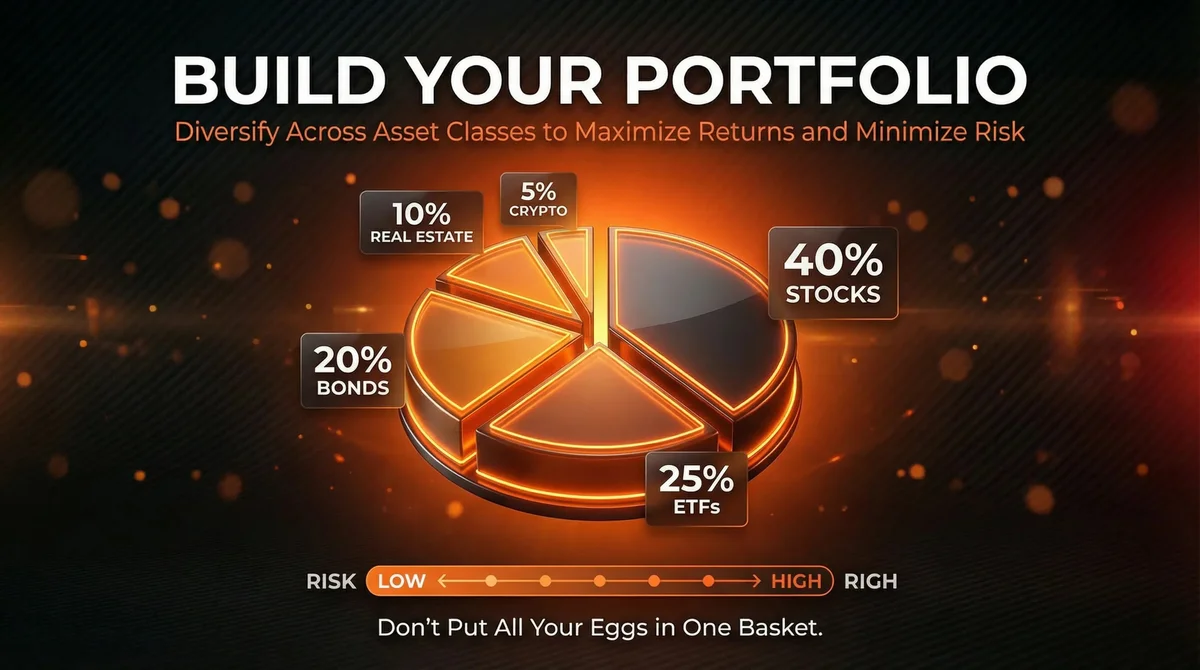
• 40% - Stocks of leaders (e.g., Microsoft, NVIDIA)
• 30% - ETF in the technology sector (QQQ)
• 20% - Stocks of companies in the cybersecurity sector
• 10% - Stocks of promising "second-tier" companies
Risks and Challenges
Investing in technology involves certain risks. The high valuation of many companies (P/E ratios), growing competition, and possible tightening of government regulation could put pressure on the sector. Therefore, it's important to approach investments thoughtfully and diversify your portfolio. Conclusion
The technology sector in 2026 offers unique opportunities for investors. Artificial intelligence, cloud computing, and cybersecurity are the key growth drivers. Whether you are a beginner or experienced investor, a smart approach to asset selection and diversification will help you capitalize on the financial future that will undoubtedly be technology-driven.

Calls within Tajikistan are free
Investments
Information




The information provided is for informational purposes only and should not be considered as an offer to buy or sell foreign currency, securities and/or other financial instruments. The information presented on this website is not an individual investment recommendation. Financial instruments or transactions mentioned in this section may not be suitable for you, may not correspond to your investment profile, financial situation, investment experience, knowledge, investment objectives, attitude to risk and profitability.
LLC "Exchange Broker" does not guarantee and does not promise future profitability of investments, does not guarantee the reliability of possible investments and the stability of possible income. Investment results in the past do not guarantee income in the future.
LLC "Exchange Broker" is not responsible for possible investor losses in the event of transactions and investments in financial instruments, and also does not guarantee the return, effectiveness and profitability of investments.
LLC "Exchange Broker" hereby informs that it operates in the securities market in accordance with the following professional participant licenses issued by the Ministry of Finance of the Republic of Tajikistan: depository activity No.010/25 dated 25.06.2025; brokerage activity No.007/25 dated 25.06.2025; dealer activity No.008/25 dated 25.06.2025 and securities management activity No.009/25 dated 25.06.2025, and also informs about the risk of a conflict of interest, including as a result of combining various types of professional activity in the securities market.