

 Бозгашт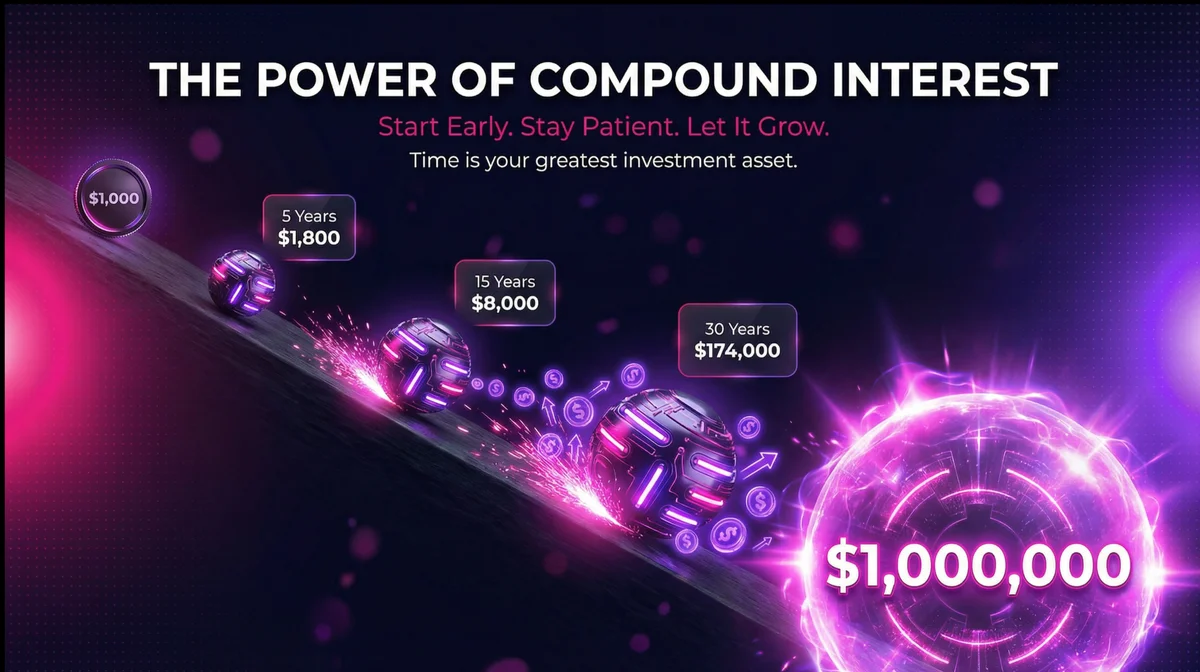
Как сэкономить на комиссиях и спредах?
Введение
В мире инвестиций и трейдинга каждая транзакция сопряжена с определенными затратами, которые могут существенно влиять на итоговую доходность. Комиссии и спреды являются неотъемлемой частью работы с финансовыми рынками, и их понимание, а также умение оптимизировать эти расходы, критически важны для любого инвестора, особенно для тех, кто стремится максимизировать свою прибыль. Эта статья призвана помочь разобраться в различных видах комиссий и спредов, а также предложить практические стратегии для минимизации этих затрат при выборе брокера и ведении торговой деятельности.
Понимание комиссий и спредов
Для эффективной оптимизации затрат необходимо четко понимать, что представляют собой комиссии и спреды, и как они влияют на ваши инвестиции.
Комиссии
Комиссии — это плата, взимаемая брокером за выполнение торговых операций. Они могут быть структурированы по-разному:
Комиссия за сделку (Transaction Fee): Фиксированная сумма или процент от объема сделки, взимаемая при покупке или продаже активов. Например, брокер может взимать $5 за каждую сделку с акциями или 0.1% от объема сделки с криптовалютой.
Комиссия за управление (Management Fee): Ежегодная плата, обычно взимаемая робо-эдвайзерами или управляющими фондами, как процент от общей стоимости активов под управлением (AUM). Например, 0.25% от AUM в год.
Комиссия за неактивность (Inactivity Fee): Некоторые брокеры взимают плату, если на счете не совершаются сделки в течение определенного периода.
Комиссия за вывод средств (Withdrawal Fee): Плата за перевод средств с брокерского счета на банковский счет или в другой кошелек.
Комиссия за конвертацию валюты (Currency Conversion Fee): Взимается при обмене одной валюты на другую, например, при покупке иностранных акций.
Спреды
Спред (Bid-Ask Spread) — это разница между ценой покупки (Ask) и ценой продажи (Bid) актива. Это неявная стоимость, которую инвестор платит при каждой сделке. Чем шире спред, тем больше вы теряете при немедленной покупке и продаже. Спред является основным источником дохода для многих маркет-мейкеров и брокеров, особенно на рынке Форекс.
Узкий спред: Характерен для высоколиквидных активов и активных рынков, где много покупателей и продавцов.
Широкий спред: Встречается на менее ликвидных рынках или в периоды высокой волатильности, что увеличивает стоимость входа и выхода из позиции.
Понимание этих двух типов затрат является первым шагом к их эффективной минимизации и увеличению вашей чистой прибыли от инвестиций.
Стратегии оптимизации затрат
Минимизация комиссий и спредов требует осознанного подхода и применения нескольких ключевых стратегий:
1. Выбор брокера с низкими комиссиями и узкими спредами
Это, пожалуй, самый очевидный и эффективный способ снизить затраты. Различные брокеры предлагают разные тарифные планы и условия. Некоторые брокеры специализируются на торговле с нулевыми комиссиями за акции и ETF, зарабатывая на спредах или других услугах. Для Форекс-трейдеров критически важен выбор брокера с узкими спредами, особенно для популярных валютных пар.
Рекомендации:
Сравнивайте тарифы: Перед открытием счета тщательно изучите комиссии за сделки, обслуживание счета, ввод/вывод средств и другие скрытые платежи.
Оценивайте спреды: Для активных трейдеров важно выбирать брокеров, предлагающих конкурентные спреды, особенно на тех инструментах, которыми вы планируете торговать чаще всего.
Ищите акции и ETF без комиссий: Многие брокеры предлагают торговлю определенными классами активов без комиссий, что может значительно сократить расходы.
2. Уменьшение частоты сделок
Каждая сделка влечет за собой комиссии и спреды. Чем чаще вы торгуете, тем больше вы платите. Для долгосрочных инвесторов, придерживающихся стратегии «купи и держи», затраты на комиссии будут минимальными. Активный трейдинг, напротив, может значительно увеличить расходы, съедая часть прибыли.
Рекомендации:
Определите свою инвестиционную стратегию: Если вы долгосрочный инвестор, сосредоточьтесь на редких, но обдуманных сделках.
Избегайте чрезмерной торговли (overtrading): Эмоциональные или импульсивные сделки часто приводят к убыткам и увеличивают расходы на комиссии.
3. Использование лимитных ордеров
При использовании рыночных ордеров (market orders) вы соглашаетесь купить или продать актив по текущей рыночной цене, что означает принятие текущего спреда. Лимитные ордера (limit orders) позволяют указать максимальную цену, по которой вы готовы купить, или минимальную цену, по которой вы готовы продать. Это дает возможность избежать широких спредов и получить более выгодную цену исполнения, хотя и нет гарантии немедленного исполнения ордера.
Преимущества:
Контроль над ценой исполнения.
Возможность избежать невыгодных спредов.
4. Торговля ликвидными активами
Ликвидные активы (например, акции крупных компаний, основные валютные пары) обычно имеют более узкие спреды, поскольку по ним совершается большой объем торгов. Торговля неликвидными активами, напротив, часто сопряжена с широкими спредами, что увеличивает стоимость сделки.
Рекомендации:
Сосредоточьтесь на популярных инструментах: Если вы новичок, начните с торговли высоколиквидными активами.
Будьте осторожны с экзотическими инструментами: Торговля менее популярными валютными парами или акциями малых компаний может быть дорогой из-за широких спредов.
5. Использование брокерских акций и бонусов
Некоторые брокеры предлагают акции, бонусы за открытие счета или за объем торгов, которые могут компенсировать часть комиссий. Однако важно внимательно читать условия таких предложений, чтобы убедиться, что они действительно выгодны и не содержат скрытых ловушек.
Сравнение брокеров: на что обратить внимание
Выбор правильного брокера является ключевым фактором в оптимизации торговых затрат. При сравнении брокерских компаний следует учитывать следующие аспекты:
1. Типы комиссий и их структура
Торговые комиссии: Некоторые брокеры предлагают торговлю акциями и ETF без комиссий, в то время как другие взимают фиксированную плату за сделку или процент от объема. Для Форекс-трейдеров важно изучить модель ценообразования: брокеры с ECN/STP моделью часто предлагают более узкие спреды, но взимают комиссию за объем, тогда как маркет-мейкеры могут предлагать более широкие спреды без явных комиссий.
Неторговые комиссии: Обратите внимание на комиссии за обслуживание счета, ввод/вывод средств, конвертацию валюты, неактивность и другие скрытые платежи, которые могут значительно увеличить общие расходы.
2. Размер спредов
Средние спреды: Изучите средние спреды, предлагаемые брокером для тех активов, которыми вы планируете торговать. Некоторые брокеры публикуют эту информацию на своих сайтах.
Фиксированные или плавающие спреды: Фиксированные спреды остаются неизменными независимо от рыночных условий, что обеспечивает предсказуемость, но могут быть шире. Плавающие спреды меняются в зависимости от ликвидности и волатильности рынка, они могут быть очень узкими в спокойные периоды, но значительно расширяться во время новостей или высокой волатильности.
3. Регулирование и надежность
Лицензирование: Выбирайте брокеров, регулируемых авторитетными финансовыми органами (например, SEC, FCA, CySEC). Это обеспечивает защиту ваших средств и соблюдение брокером определенных стандартов.
Репутация: Изучите отзывы других трейдеров и инвесторов, а также историю брокера. Надежность и прозрачность — ключевые факторы.
4. Торговая платформа и инструменты
Функциональность платформы: Убедитесь, что торговая платформа брокера удобна, функциональна и предоставляет необходимые инструменты для анализа и совершения сделок.
Автоматизация: Если вы планируете использовать автоматизированные стратегии, проверьте, поддерживает ли платформа соответствующие функции (например, авто-инвестирование, робо-эдвайзеры).
5. Поддержка клиентов
Качество поддержки: Наличие оперативной и квалифицированной службы поддержки может быть критически важным, особенно для новичков.
Заключение
Экономия на комиссиях и спредах является важной составляющей успешной инвестиционной и торговой деятельности. Понимание различных видов затрат, применение стратегий оптимизации, таких как выбор брокера с низкими комиссиями, уменьшение частоты сделок, использование лимитных ордеров и торговля ликвидными активами, а также тщательный анализ брокерских предложений, помогут вам значительно сократить расходы и увеличить чистую прибыль. Всегда помните, что даже небольшие комиссии, накапливаясь со временем, могут существенно повлиять на ваш инвестиционный результат.

Барои Зангҳо Ба Тоҷикистон
Дар бораи ширкат:
Сармоягузорӣ
Иттилоот




Маълумоти пешниҳодшуда танҳо хусусияти иттилоотӣ дорад ва набояд ҳамчун пешниҳоди харид ё фурӯши асъори хориҷӣ, коғазҳои қиматнок ва/ё дигар асбобҳои молиявӣ баррасӣ шавад. Маълумоти дар ин сайт овардашуда дастури инфиродии сармоягузорӣ нест. Асбобҳои молиявӣ ё амалиётҳое, ки дар ин бахш зикр шудаанд, шояд барои шумо мувофиқ набошанд, ба профили сармоягузории шумо, вазъи молиявӣ, таҷрибаи сармоягузорӣ, дониши шумо, ҳадафҳои сармоягузорӣ, муносибат ба хатари эҳтимолӣ ва даромаднокӣ мувофиқ набошанд.
ҶДММ "Брокери Биржавӣ" даромаднокии ояндаро кафолат намедиҳад ва ваъда намедиҳад, эътимоднокии сармоягузориҳои эҳтимолӣ ва устувории ҳаҷми даромади эҳтимолиро кафолат намедиҳад. Натиҷаҳои сармоягузорӣ дар гузашта даромади ояндаро кафолат намедиҳад.
ҶДММ "Брокери Биржавӣ" барои зарарҳои эҳтимолии сармоягузор дар ҳолати анҷом додани амалиёт ва сармоягузорӣ ба асбобҳои молиявӣ ҷавобгар нест ва инчунин кафолати бозгашт, самаранокӣ ва даромаднокии сармоягузориҳоро намедиҳад.
ҶДММ "Брокери Биржавӣ" иттилоъ медиҳад, ки фаъолияти худро дар бозори коғазҳои қимматнок мувофиқи иҷозатномаҳои зерин, ки аз ҷониби Вазорати молияи Ҷумҳурии Тоҷикистон дода шудаанд, анҷом медиҳад: иҷозатномаи фаъолияти депозитарӣ №010/25 аз 25.06.2025; иҷозатномаи фаъолияти брокерӣ №007/25 аз 25.06.2025; иҷозатномаи фаъолияти дилерӣ №008/25 аз 25.06.2025 ва иҷозатномаи фаъолияти идоракунии коғазҳои қиматнок №009/25 аз 25.06.2025, инчунин оид ба хатари ба вуҷуд омадани ихтилофи манфиатҳо, аз ҷумла дар натиҷаи муттаҳид кардани намудҳои гуногуни фаъолияти касбӣ дар бозори коғазҳои қиматнок ҳушдор медиҳад.